














The Analog Edit: Things Worth Doing Without a Screen

Simple ways to be present, without trying too hard
Screens are excellent at filling time. They’re less good at making it memorable.
Hours pass easily when everything is available instantly. Messages, music, answers, entertainment. Convenient, yes. But often interchangeable. One moment looks a lot like the next.
Living more analog doesn’t require big changes or dramatic disconnection. It’s about choosing a few moments where attention isn’t divided. Where time unfolds at a human pace.
Below are a few ideas. Not rules. Not challenges. Just invitations.
Go for a walk without any distractions
No music. No podcast. No phone in your hand.
Just walking. Noticing your pace, the sounds around you, the way your thoughts wander when they’re not being directed.
At first, it might feel strangely quiet. Then surprisingly spacious. A walk like this doesn’t take you anywhere special, but it often brings you back to yourself.
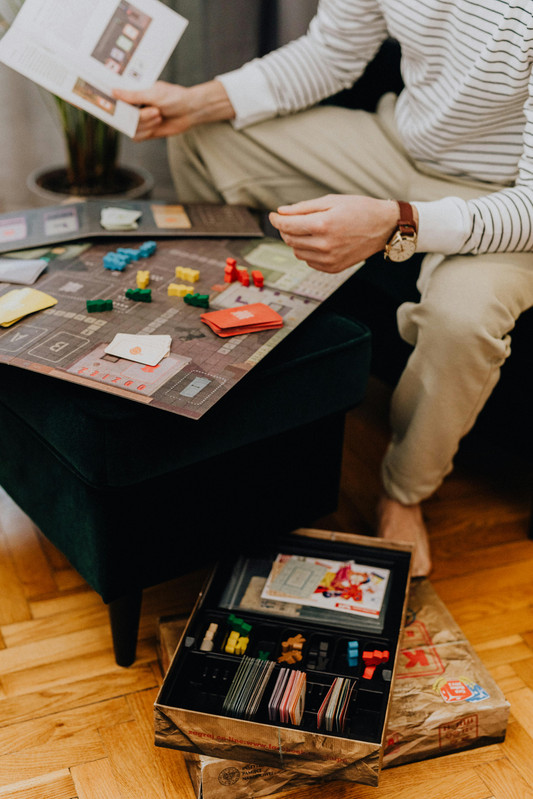
Do a puzzle or play a game
A real one. Pieces on a table. Cards in your hands. Dice that make a sound when they roll.
Puzzles and games slow time down naturally. They ask for patience, attention, and presence, without demanding productivity. There’s no feed to scroll, no score to optimize.
Just the simple satisfaction of focusing on one thing until it makes sense.
Cook something that takes time
Choose a dish that can’t be rushed. Something that needs stirring, waiting, tasting.
Let the process lead instead of the clock. Listen for sounds. Watch for changes. Trust your senses more than exact measurements.
Cooking like this turns time into an ingredient. Not something to race against, but something you work with.
Spend an afternoon without knowing the time
Leave your phone behind. Or keep it out of reach.
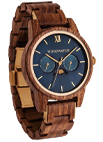
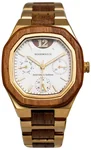
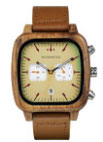
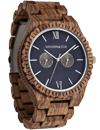
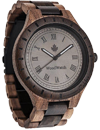
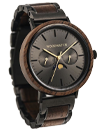
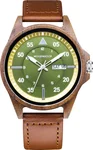
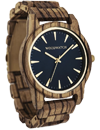
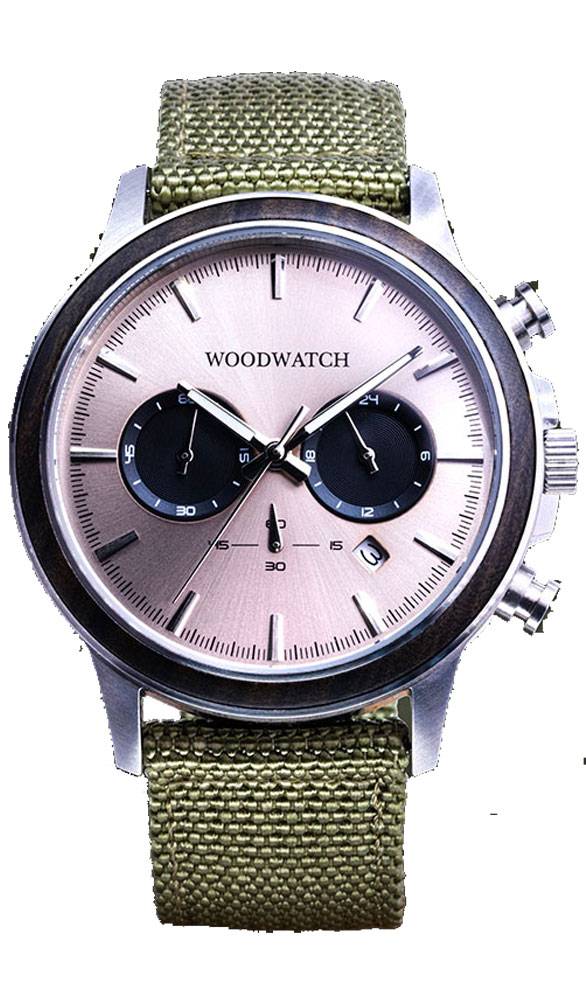
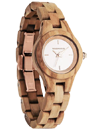
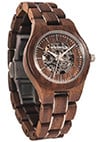
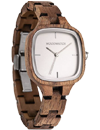
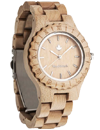
Wear a watch instead. One that doesn’t buzz, light up, or ask for your attention. Check the time only when you choose to, not when a notification decides for you.
Let hunger tell you when it’s time to eat. Let light and shadow set the rhythm of the day. Conversations end when they end, not when something interrupts.
When time isn’t constantly visible, it stretches. The day becomes something you move through, not something you manage.
Try a creative activity that uses your hands
Ceramics. Painting. Drawing. Woodworking. Leatherwork. Building something from scratch. Repairing something you already own.
Choose an activity where your hands stay busy and your attention stays in the moment. One where progress is slow, imperfect, and tangible. There’s no rush to finish, no result to optimize.
Hands-on creativity slows time in a way few things do. You measure progress in texture, resistance, and weight rather than minutes. Mistakes become part of the process. Focus comes naturally.
The result doesn’t need to be practical or polished. What matters is the time spent fully engaged, creating something real and being present while you do.
Sit somewhere and watch what happens
A café. A park bench. Your own living room.
Don’t fill the moment. Just observe. People passing by. Light shifting. Sounds overlapping.
It’s an underrated pleasure. Doing nothing, while still being fully present.
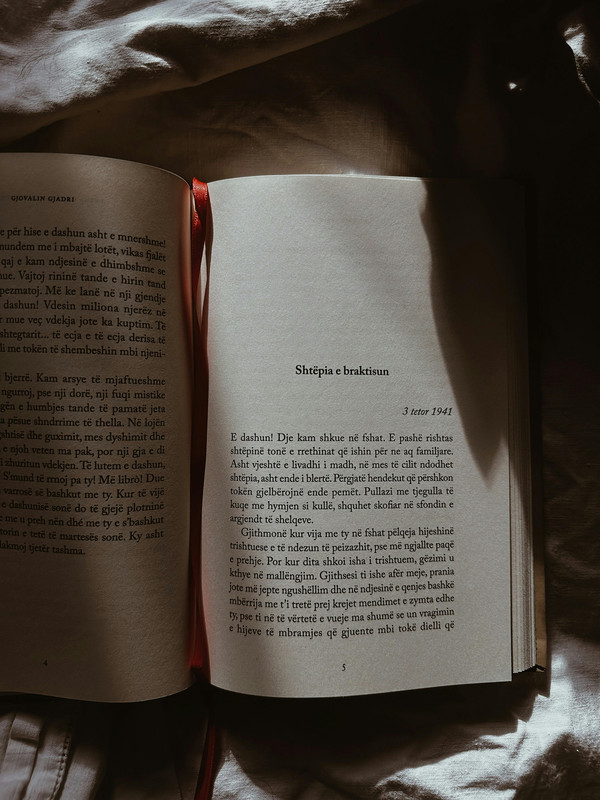
End the day with something physical
A book. A notebook. A watch resting on the bedside table.
Something that doesn’t glow. Something that marks the transition from day to night without pulling you elsewhere.
Ending the day this way creates a boundary. It tells your mind that this moment is complete.
Time, lived analog
Analog moments don’t compete for attention. They wait patiently for it.
They make time feel textured instead of flat. Distinct instead of continuous. Remembered instead of recorded.
A watch doesn’t rush you. It doesn’t buzz or interrupt. It simply moves forward quietly while you decide how to spend the moments in between.
Choose one analog moment this week. Not to escape the world, but to feel more present in it.